
Glaucoma Treatment FAQs
- posted: Apr. 03, 2025
Glaucoma Treatment FAQs: Clearing the View for Better Vision from an Optometrist Near You in Allentown, PA
Imagine your eye as a camera lens—its job is to focus light and create a clear image. But when something blocks that lens, the picture becomes blurry. Glaucoma is like a cloud covering that lens, and it can gradually impair your vision without warning. At Advanced Family Eye Care, your optometrist in Allentown, PA, we can help patients clear away the fog of glaucoma, so they can keep seeing life’s beautiful details clearly.
What Is Glaucoma?
Glaucoma is a group of eye conditions that damage the optic nerve, often caused by increased pressure in the eye. Think of the eye like a tire; the fluid inside needs to maintain a healthy balance to avoid pressure buildup. If too much pressure is created, it can harm the optic nerve, which transmits visual information from the eye to the brain. Over time, this damage can lead to vision loss.
There are two primary types of glaucoma:
● Open-angle glaucoma – The most common type, where the drainage angle in the eye becomes gradually clogged, leading to increased pressure over time.
● Angle-closure glaucoma – A less common but more sudden form, where the drainage angle is completely blocked, causing a rapid increase in pressure.
How Is Glaucoma Diagnosed?
Glaucoma often doesn’t show symptoms until significant damage has occurred, which is why regular eye exams are essential. An eye exam for glaucoma is like a routine check-up for your car—it ensures everything is running smoothly before a problem arises. During an exam, an optometrist will test your eye pressure, inspect your optic nerve, and perform peripheral vision tests to detect any early signs of damage.
What Are the Treatment Options for Glaucoma?
Glaucoma treatment is like managing a garden—once you find the right approach, it helps to maintain healthy growth and prevent further damage. Treatment aims to lower the pressure in the eye and prevent additional nerve damage. Some common treatment options include:
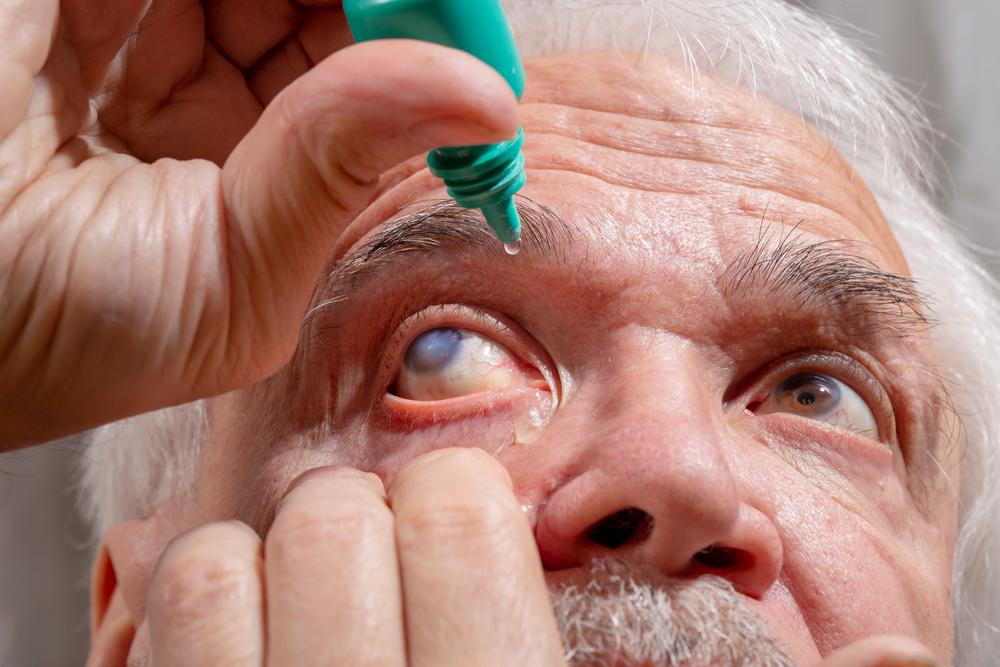
● Eye drops – The most common treatment, designed to reduce fluid production or improve drainage in the eye, like opening the blinds to let fresh air in.
● Oral medications – Sometimes, oral medications are prescribed to complement eye drops and lower eye pressure further.
● Laser therapy – Laser procedures can help improve fluid drainage in the eye, acting like a cleanup crew clearing away debris from the drainage channels.
● Surgery – In more severe cases, surgery may be needed to create a new drainage pathway for fluid, like building a new, more efficient road to prevent traffic jams.
How Long Does Treatment Take to Work?
Glaucoma treatment is a long-term commitment. Think of it like tending to a garden—it requires regular attention and care. In most cases, treatment works immediately to lower pressure, but managing glaucoma is ongoing. Regular eye exams are necessary to monitor eye pressure and adjust treatment if needed.
Get Glaucoma Treatment from an Optometrist Near You
At Advanced Family Eye Care, your eye doctor in Allentown, PA, we’re dedicated to preserving your vision and helping you see the world clearly for years to come. If you have questions about glaucoma or need a comprehensive eye exam, schedule an appointment today. Call us at (610) 434-1371 for glaucoma treatment from an optometrist near you.
- posted: Apr. 03, 2025
Glaucoma Treatment FAQs: Clearing the View for Better Vision from an Optometrist Near You in Allentown, PA
Imagine your eye as a camera lens—its job is to focus light and create a clear image. But when something blocks that lens, the picture becomes blurry. Glaucoma is like a cloud covering that lens, and it can gradually impair your vision without warning. At Advanced Family Eye Care, your optometrist in Allentown, PA, we can help patients clear away the fog of glaucoma, so they can keep seeing life’s beautiful details clearly.
What Is Glaucoma?
Glaucoma is a group of eye conditions that damage the optic nerve, often caused by increased pressure in the eye. Think of the eye like a tire; the fluid inside needs to maintain a healthy balance to avoid pressure buildup. If too much pressure is created, it can harm the optic nerve, which transmits visual information from the eye to the brain. Over time, this damage can lead to vision loss.
There are two primary types of glaucoma:
● Open-angle glaucoma – The most common type, where the drainage angle in the eye becomes gradually clogged, leading to increased pressure over time.
● Angle-closure glaucoma – A less common but more sudden form, where the drainage angle is completely blocked, causing a rapid increase in pressure.
How Is Glaucoma Diagnosed?
Glaucoma often doesn’t show symptoms until significant damage has occurred, which is why regular eye exams are essential. An eye exam for glaucoma is like a routine check-up for your car—it ensures everything is running smoothly before a problem arises. During an exam, an optometrist will test your eye pressure, inspect your optic nerve, and perform peripheral vision tests to detect any early signs of damage.
What Are the Treatment Options for Glaucoma?
Glaucoma treatment is like managing a garden—once you find the right approach, it helps to maintain healthy growth and prevent further damage. Treatment aims to lower the pressure in the eye and prevent additional nerve damage. Some common treatment options include:
● Eye drops – The most common treatment, designed to reduce fluid production or improve drainage in the eye, like opening the blinds to let fresh air in.
● Oral medications – Sometimes, oral medications are prescribed to complement eye drops and lower eye pressure further.
● Laser therapy – Laser procedures can help improve fluid drainage in the eye, acting like a cleanup crew clearing away debris from the drainage channels.
● Surgery – In more severe cases, surgery may be needed to create a new drainage pathway for fluid, like building a new, more efficient road to prevent traffic jams.
How Long Does Treatment Take to Work?
Glaucoma treatment is a long-term commitment. Think of it like tending to a garden—it requires regular attention and care. In most cases, treatment works immediately to lower pressure, but managing glaucoma is ongoing. Regular eye exams are necessary to monitor eye pressure and adjust treatment if needed.
Get Glaucoma Treatment from an Optometrist Near You
At Advanced Family Eye Care, your eye doctor in Allentown, PA, we’re dedicated to preserving your vision and helping you see the world clearly for years to come. If you have questions about glaucoma or need a comprehensive eye exam, schedule an appointment today. Call us at (610) 434-1371 for glaucoma treatment from an optometrist near you.
Location
We look forward to hearing from you.
Location and Hours
1320 Hamilton St #4315, Allentown, PA 18102
Monday
9:00 am - 4:00 pm
Tuesday
9:00 am - 6:00 pm
Wednesday
Closed
Thursday
9:00 am - 6:00 pm
Friday
9:00 am - 2:00 pm
Saturday
Call for Saturday Hours
Sunday
Closed